
Financial Integrity: Principles, Importance, Risks, and Compliance in Modern Finance
Financial integrity is the discipline that protects this trust. It is not a single policy or a department; it is a combination of values, systems, laws, and everyday behaviours.
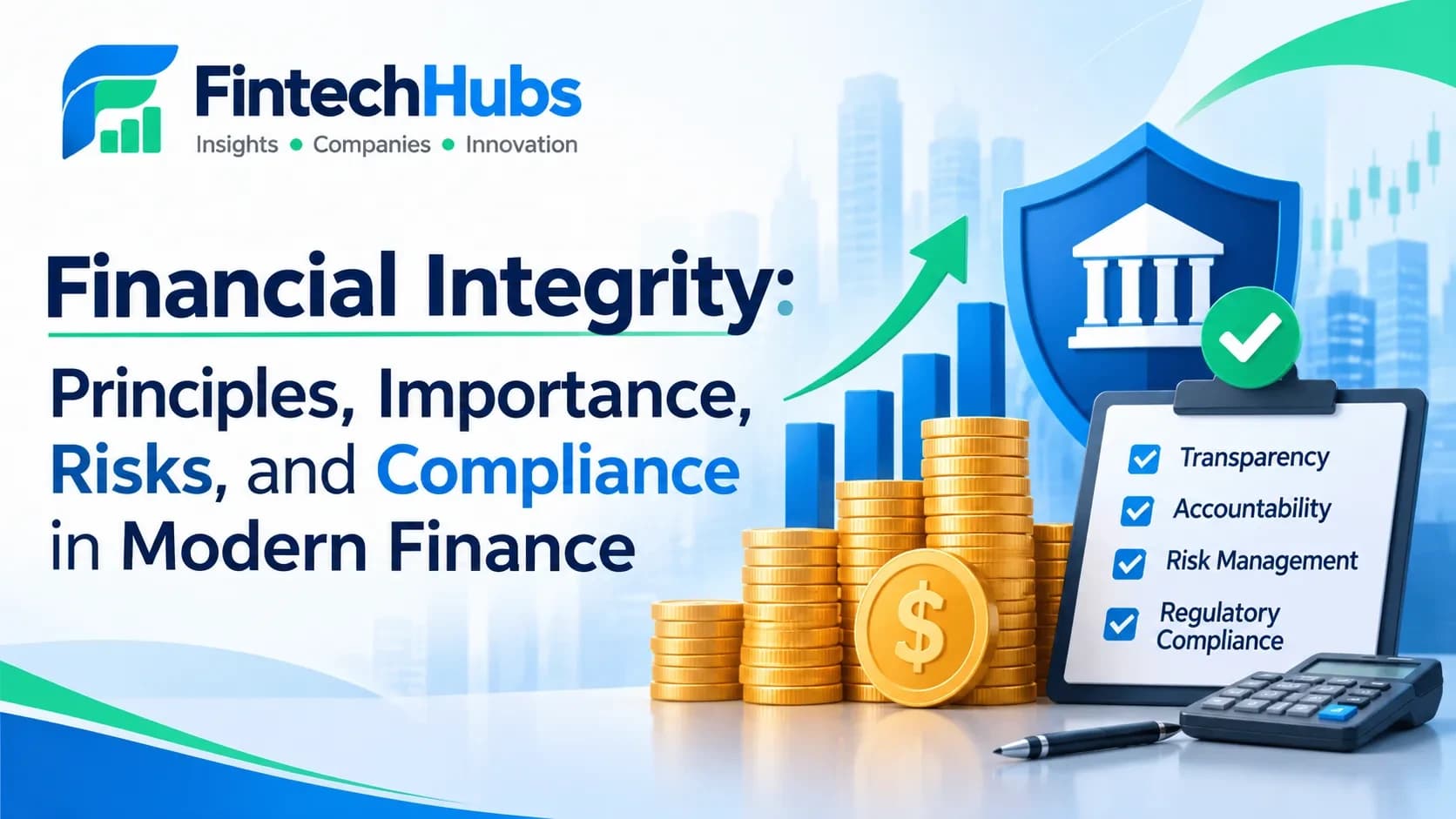
Financial Integrity: Principles, Importance, Risks, and Compliance in Modern Finance
Money moves on trust. Every time a bank lends, an investor buys a share, a company publishes its accounts, or a government collects taxes, someone is relying on the belief that the numbers are honest and the rules are being followed. When that belief holds, capital flows efficiently and economies grow. When it breaks, the consequences can be severe: collapsed companies, lost savings, shaken markets, and lasting damage to public confidence.
Financial integrity is the discipline that protects this trust. It is not a single policy or a department; it is a combination of values, systems, laws, and everyday behaviours that keep financial activity honest, accurate, and accountable. This article explains what financial integrity means, the principles behind it, why it matters, the risks that threaten it, the compliance frameworks that support it, and the practical steps organisations can take to strengthen it.
What Is Financial Integrity?
Financial integrity means conducting, recording, and reporting financial activity in a way that is truthful, complete, lawful, and ethical. It covers how an organisation earns, spends, records, and discloses money, and how individuals within it behave when handling funds or financial information.
It operates at several levels:
Individual level: accountants, auditors, traders, managers, and clerks who make daily decisions about recording and handling money.
Organisational level: the policies, controls, and culture that shape how a company or institution manages its finances.
System level: the laws, regulators, standards, and market institutions that keep the wider financial system fair and stable.
Financial integrity is broader than simple legal compliance. A company can follow the letter of a rule and still mislead stakeholders. True integrity asks not only "Is this allowed?" but also "Is this honest, and would it withstand public scrutiny?"
Core Principles of Financial Integrity
1. Honesty and Truthfulness
Financial information must reflect reality. This means no inflated revenues, hidden liabilities, fictitious transactions, or selective presentation designed to create a false impression. Honesty also applies to forecasts and public statements, which should be made in good faith and on reasonable grounds.
2. Transparency
Stakeholders such as shareholders, lenders, regulators, employees, and the public need clear access to relevant financial information. Transparency means disclosing material facts, explaining accounting policies, revealing related-party dealings, and presenting risks plainly rather than burying them in complex language.
3. Accuracy and Completeness
Records must be correct, timely, and supported by evidence. Accurate bookkeeping, reconciled accounts, and properly documented transactions form the foundation of every reliable financial statement. Leaving out significant items is as damaging as recording false ones.
4. Accountability
Every financial decision and process should have a clearly identified owner. Accountability means people can be asked to explain their actions, and that there are real consequences for misconduct as well as recognition for good practice. Boards, audit committees, and senior executives carry particular responsibility.
5. Fairness and Impartiality
Financial decisions should not be distorted by favouritism, bias, or undisclosed personal interest. Fair treatment of customers, suppliers, investors, and employees is a central part of integrity, as is avoiding practices that exploit information advantages unfairly.
6. Confidentiality and Responsible Use of Information
Finance professionals often hold sensitive data: client details, unpublished results, deal plans. Integrity requires protecting that information and never using it for personal gain or to the detriment of others.
7. Compliance with Law and Standards
Organisations must follow applicable financial laws, accounting standards, tax rules, and industry regulations. Compliance is the minimum baseline on which higher ethical standards are built.
8. Professional Competence and Due Care
Integrity also depends on skill. Errors caused by poor training or carelessness can mislead just as effectively as deliberate manipulation. Professionals have a duty to keep their knowledge current and to apply appropriate diligence.
Why Financial Integrity Matters
Building and Maintaining Trust
Investors fund businesses they believe are honest. Customers deposit money with institutions they believe are safe. Without trust, transactions become costly because every party must spend extra effort verifying claims.
Supporting Market Stability
Financial systems are deeply interconnected. A failure caused by hidden losses or fraud at one major institution can spread to others through lending relationships, investments, and loss of confidence. Strong integrity reduces the chance of such contagion.
Lowering the Cost of Capital
Companies with reliable reporting and strong governance are generally seen as lower-risk, which can translate into cheaper borrowing and better access to funding. Doubt about the accuracy of accounts, by contrast, raises risk premiums.
Protecting Stakeholders
Employees, pensioners, small shareholders, and depositors often have the least ability to detect wrongdoing and the most to lose from it. Integrity safeguards their interests.
Enabling Economic Development
Countries with credible financial institutions, effective anti-corruption measures, and enforceable contracts tend to attract more investment. Weak integrity, on the other hand, drains public resources and discourages legitimate business.
Preserving Reputation
Reputation takes years to build and can be lost within days. A single scandal can drive away customers, trigger regulatory action, and make recruitment and partnerships harder.
Reducing Legal and Financial Penalties
Fines, litigation, restatements, and remediation costs can be enormous. Preventing problems through strong integrity practices is almost always cheaper than dealing with their aftermath.
Major Risks and Threats to Financial Integrity
Financial Statement Fraud
This involves deliberately misstating accounts, for instance by recognising revenue too early, hiding debts, overstating assets, or understating expenses. It is often motivated by pressure to meet targets, secure loans, or support a share price.
Asset Misappropriation
The theft or misuse of an organisation's resources, including skimming cash, false expense claims, payroll fraud, fake vendors, and inventory theft. It is the most common form of occupational fraud, though individual cases are usually smaller than statement fraud.
Corruption and Bribery
Offering, giving, or accepting improper payments to influence decisions undermines fair competition and distorts markets. It often involves intermediaries, inflated contracts, or disguised consulting fees.
Money Laundering and Terrorist Financing
Criminals try to disguise the origin of illegal funds by moving them through banks, businesses, property, and digital assets. Institutions that fail to detect this risk becoming conduits for crime.
Insider Trading and Market Manipulation
Trading on confidential price-sensitive information, spreading misleading rumours, or coordinating trades to move prices damages the fairness of markets and erodes investor confidence.
Conflicts of Interest
When personal interests collide with professional duties, judgement can be compromised. Undisclosed relationships with suppliers, related-party transactions, and excessive executive influence are common examples.
Tax Evasion and Aggressive Avoidance
Deliberately hiding income or falsifying records to avoid tax is illegal. Extremely aggressive structures that comply technically but defeat the purpose of tax law can also create reputational and regulatory risk.
Cyber and Data-Related Threats
Hackers, phishing attacks, ransomware, and insider misuse can alter records, steal funds, or expose confidential data. As finance becomes more digital, cyber risk is now a core integrity issue.
Weak Governance and Poor Culture
Even well-designed rules fail when leaders ignore them, whistleblowers are punished, or results are prioritised over ethics at any cost. Culture is often the deciding factor.
Model, Data, and Algorithmic Risk
Organisations increasingly rely on models and automated systems for credit decisions, valuations, and trading. Flawed data or biased algorithms can create misleading results without any individual intending harm.
Understanding the Fraud Triangle
One widely used way to understand why integrity failures happen is the fraud triangle, which identifies three conditions that tend to be present together:
Pressure: A financial need or performance demand, such as personal debt, aggressive targets, or fear of failure.
Opportunity: Weak controls, lack of oversight, or excessive trust that makes wrongdoing possible and unlikely to be detected.
Rationalisation: The justification a person uses to make the act seem acceptable, for example "I will pay it back" or "everyone does it."
Organisations cannot easily control personal pressure or rationalisation, but they can strongly reduce opportunity through robust controls, monitoring, and a culture that makes wrongdoing visible.
The Regulatory and Compliance Landscape
A network of laws, standards, and supervisory bodies supports financial integrity. Specific rules vary by country, but the main themes are consistent worldwide.
Accounting and Reporting Standards
Frameworks such as International Financial Reporting Standards (IFRS) and national standards such as US GAAP set rules for recognising, measuring, and disclosing financial items. Consistent standards make statements comparable and harder to manipulate.
Corporate Governance and Reporting Laws
Many jurisdictions require boards to oversee financial reporting, maintain internal controls, and certify the accuracy of accounts. Laws such as the US Sarbanes-Oxley Act introduced personal accountability for senior executives and stronger audit independence. Other countries use corporate governance codes and company laws that serve similar purposes.
Anti-Money Laundering and Counter-Terrorist Financing (AML/CFT)
Banks and other regulated businesses must verify customer identities (Know Your Customer), monitor transactions for suspicious activity, and report concerns to financial intelligence units. International standards are set by the Financial Action Task Force (FATF), and national regulators enforce them locally.
Anti-Bribery and Anti-Corruption Laws
Legislation such as the US Foreign Corrupt Practices Act and the UK Bribery Act criminalises bribery, including through third parties, and in some cases applies across borders. Many countries have their own anti-corruption statutes and agencies.
Prudential Regulation
Banking and insurance regulators set requirements for capital, liquidity, and risk management. Global frameworks such as the Basel Accords aim to ensure institutions can absorb losses without threatening the wider system.
Securities and Market Regulation
Securities regulators supervise listed companies, markets, and intermediaries. They enforce disclosure obligations and prohibit insider trading and manipulation. In Pakistan, for example, the Securities and Exchange Commission of Pakistan and the State Bank of Pakistan play central supervisory roles in their respective areas.
Data Protection and Cybersecurity Rules
Regulations on data privacy and information security require organisations to protect customer and financial data. Breaches can result in penalties as well as loss of trust.
Tax Compliance and Transparency Initiatives
International efforts to exchange tax information, require beneficial ownership registers, and limit profit shifting have increased transparency about who owns and benefits from assets.
Internal Controls and Governance: The Backbone of Integrity
Laws set expectations, but organisations deliver integrity through their own structures.
Internal Control Systems
Internal controls are the processes that provide reasonable assurance of reliable reporting, effective operations, and legal compliance. Common elements include:
Segregation of duties: no single person should authorise, record, and handle the same transaction.
Authorisation limits: approvals scaled to the size and risk of transactions.
Reconciliations: regular comparison of records against bank statements, subledgers, and external evidence.
Access controls: restricting who can view or change financial systems and data.
Documentation and audit trails: keeping evidence that allows transactions to be traced and verified.
The Three Lines Model
Many organisations structure risk management in three lines. The first line is operational management, which owns and manages risk day to day. The second line includes risk and compliance functions that set policies and monitor adherence. The third line is internal audit, which provides independent assurance to the board.
Board and Audit Committee Oversight
An independent, financially literate audit committee reviews financial reporting, oversees internal and external auditors, and challenges management. Its effectiveness depends on independence, expertise, and access to unfiltered information.
Internal and External Audit
Internal auditors test controls and investigate risks from within; external auditors independently opine on whether financial statements present a fair view. Auditor independence, professional scepticism, and rotation or review practices help protect the quality of this work.
Whistleblowing Mechanisms
Employees are often the first to notice problems. Confidential reporting channels, clear non-retaliation policies, and prompt, fair investigation encourage people to speak up. Where whistleblowers are ignored or punished, misconduct tends to grow.
Codes of Conduct and Training
A clear code of ethics, supported by regular, practical training using realistic scenarios, helps staff recognise ethical dilemmas and know how to respond.
The Role of Technology
Technology is both a risk and a powerful tool.
Automation and ERP systems reduce manual errors and enforce workflow controls.
Data analytics can scan entire populations of transactions to flag unusual patterns, such as duplicate payments, round-number entries, or unusual timing.
Artificial intelligence and machine learning improve fraud detection and AML monitoring by learning patterns that rules alone might miss, though they require careful governance to avoid bias and false confidence.
Blockchain and distributed ledgers can offer tamper-resistant records for certain uses, although they do not remove the need for honest inputs.
Regulatory technology (RegTech) helps firms automate compliance monitoring, reporting, and customer checks.
Cybersecurity tools such as multi-factor authentication, encryption, and continuous monitoring protect the integrity and availability of financial data.
Technology works best when combined with human judgement and clear accountability. A tool that raises alerts nobody investigates adds little value.
Building an Ethical Culture
Controls can be bypassed by determined people, which is why culture matters so much. Key elements include:
Tone at the top: Leaders must model honesty and apply standards consistently, including to high performers.
Aligned incentives: Pay and promotion schemes that reward only short-term results can encourage corner-cutting. Balanced scorecards that include ethical conduct and risk management help.
Psychological safety: People should feel able to raise concerns and admit mistakes without fear.
Consistent consequences: When misconduct is tolerated for senior or profitable staff, the message to everyone is that rules are optional.
Open communication: Regular discussion of dilemmas and lessons learned keeps ethics practical rather than theoretical.
Lessons from Well-Known Failures
Public corporate failures illustrate how integrity breakdowns develop.
Enron (United States, early 2000s): The energy company used complex off-balance-sheet entities and aggressive accounting to hide debt and inflate earnings. Its collapse led to the loss of thousands of jobs, the dissolution of its auditor Arthur Andersen, and major reforms in corporate governance and audit regulation.
Wirecard (Germany, 2020): The payments firm reported large cash balances that investigators found did not exist. The case raised serious questions about auditor diligence, regulatory oversight, and the handling of warnings from journalists and short sellers.
Lehman Brothers (United States, 2008): The investment bank used accounting transactions that temporarily reduced the leverage shown in its reports. Its bankruptcy became a defining event of the global financial crisis and highlighted the dangers of opaque reporting in systemically important institutions.
Common lessons include the danger of dominant executives with weak oversight, the need to take warnings seriously, the risk of overly complex structures, and the importance of independent and sceptical auditors.
Practical Steps to Strengthen Financial Integrity
Assess risks regularly: Identify where fraud, error, or misconduct is most likely, considering processes, people, and incentives.
Define clear policies: Write simple, accessible policies on approvals, expenses, gifts, conflicts of interest, and reporting.
Design and test controls: Ensure controls match identified risks, and test them periodically rather than assuming they work.
Strengthen governance: Appoint independent directors with finance expertise and give audit committees real authority and resources.
Protect whistleblowers: Offer confidential channels and enforce non-retaliation.
Train continuously: Provide role-specific training for finance staff, managers, and board members.
Use data analytics: Monitor transactions continuously instead of relying only on periodic checks.
Verify third parties: Conduct due diligence on suppliers, agents, and partners, since many bribery and laundering cases involve intermediaries.
Plan for incidents: Have a response plan covering investigation, communication, regulator notification, and remediation.
Review and improve: Learn from near-misses, audit findings, and industry developments, and update practices accordingly.
Common Challenges
Balancing growth and control: fast-growing firms may add transactions faster than they build safeguards.
Complexity: multinational structures, complex products, and layered ownership make oversight harder.
Resource constraints: smaller organisations may lack dedicated compliance staff, requiring simpler but well-designed controls.
Regulatory fragmentation: differing rules across countries create compliance burdens and loopholes.
Evolving threats: cyber criminals and fraudsters adapt quickly, so defences must evolve too.
Compliance fatigue: staff may treat controls as box-ticking unless they understand the purpose behind them.
Future Trends in Financial Integrity
Greater beneficial ownership transparency, making it harder to hide the true owners of companies and assets.
Expanded regulation of digital assets, including exchanges and stablecoins, to address laundering and consumer-protection risks.
Real-time and continuous assurance, shifting audit from periodic sampling toward ongoing monitoring.
Broader sustainability and non-financial reporting, with growing expectations that environmental and social claims are as reliable as financial ones.
Responsible AI governance, ensuring automated decision-making is explainable, fair, and auditable.
Stronger cross-border cooperation among regulators and enforcement agencies.
Frequently Asked Questions (FAQs)
1. What is financial integrity in simple terms?
It means handling, recording, and reporting money honestly, accurately, and lawfully, so that others can trust the numbers and the people behind them.
2. How is financial integrity different from financial compliance?
Compliance means following laws and rules. Integrity goes further by asking whether actions are honest and fair, even in areas where rules are unclear or silent. Compliance is necessary for integrity but not sufficient on its own.
3. Who is responsible for financial integrity in an organisation?
Everyone shares responsibility, but the board and senior management carry ultimate accountability. Finance teams, internal auditors, compliance officers, and external auditors each play specific roles.
4. What are the most common threats to financial integrity?
Typical threats include financial statement fraud, asset theft, bribery and corruption, money laundering, insider trading, conflicts of interest, cyberattacks, and weak governance.
5. What is the fraud triangle?
It is a model suggesting that fraud usually occurs when pressure, opportunity, and rationalisation are all present. Organisations mainly reduce risk by limiting opportunity through strong controls and oversight.
6. Why are internal controls important?
They prevent and detect errors and misconduct, provide reliable information for decisions, and help demonstrate compliance to regulators and auditors.
7. Can small businesses maintain strong financial integrity?
Yes. Small firms can use simple measures such as separating duties where possible, requiring dual approval for payments, reconciling accounts monthly, keeping good records, and having an external accountant review the books.
8. How does technology help protect financial integrity?
Automation reduces manual errors, analytics detect unusual patterns, and security tools protect data. However, technology must be supported by sound governance and human oversight.
9. What should an employee do if they suspect financial wrongdoing?
Follow the organisation's reporting procedure, such as a confidential hotline or a designated manager or compliance officer. Keep factual notes, avoid confronting suspects directly, and seek advice if internal channels are not appropriate.
10. What are the consequences of failing to maintain financial integrity?
Consequences can include regulatory fines, criminal charges, civil lawsuits, loss of licences, share price declines, loss of customers, damaged reputation, and in severe cases business failure.
11. How often should an organisation review its financial integrity framework?
At least annually, and also whenever there are major changes such as new products, acquisitions, expansion into new markets, new regulations, or after an incident.
12. Does financial integrity help a business perform better?
In most cases, yes. Reliable information improves decision-making, and a trusted reputation can improve access to funding, customers, and talent over the long term.
Conclusion
Financial integrity is the foundation on which healthy financial systems and trustworthy organisations are built. It rests on principles of honesty, transparency, accuracy, accountability, fairness, and compliance, and it is protected through a combination of strong laws, effective governance, well-designed controls, modern technology, and above all an ethical culture.
The risks are real and evolving, from traditional fraud and corruption to cyber threats and algorithmic bias. Yet history shows that most major failures share familiar warning signs: weak oversight, pressure for results at any cost, and a reluctance to listen to those who raise concerns. Organisations that learn from these lessons, invest in prevention rather than reaction, and treat integrity as a strategic asset rather than a burden are better placed to earn lasting trust.
In the end, financial integrity is not only about avoiding penalties. It is about creating an environment in which people can rely on the numbers, on the institutions, and on each other, which is what allows finance to serve its true purpose of supporting growth, opportunity, and stability.
Disclaimer: This article is provided for general educational purposes and does not constitute legal, accounting, or financial advice. Requirements differ by country and industry, so readers should consult qualified professionals for specific situations.
Share this article
Related Articles
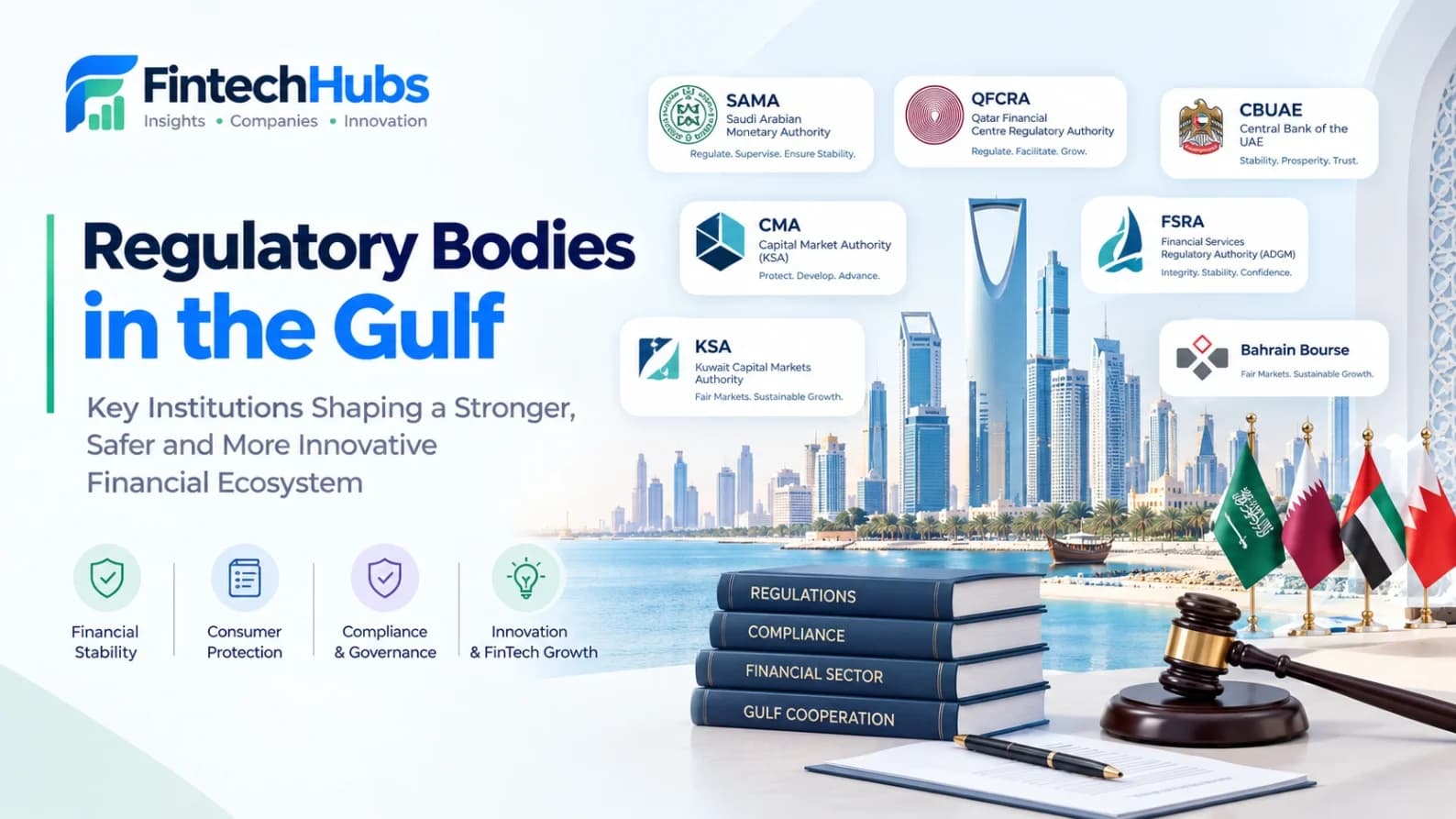
FinTech Regulatory Authorities in the Gulf: What You Need to Know
An in-depth professional overview of the authorities, laws and frameworks that govern finance and financial technology across the Gulf Cooperation Council (GCC) region
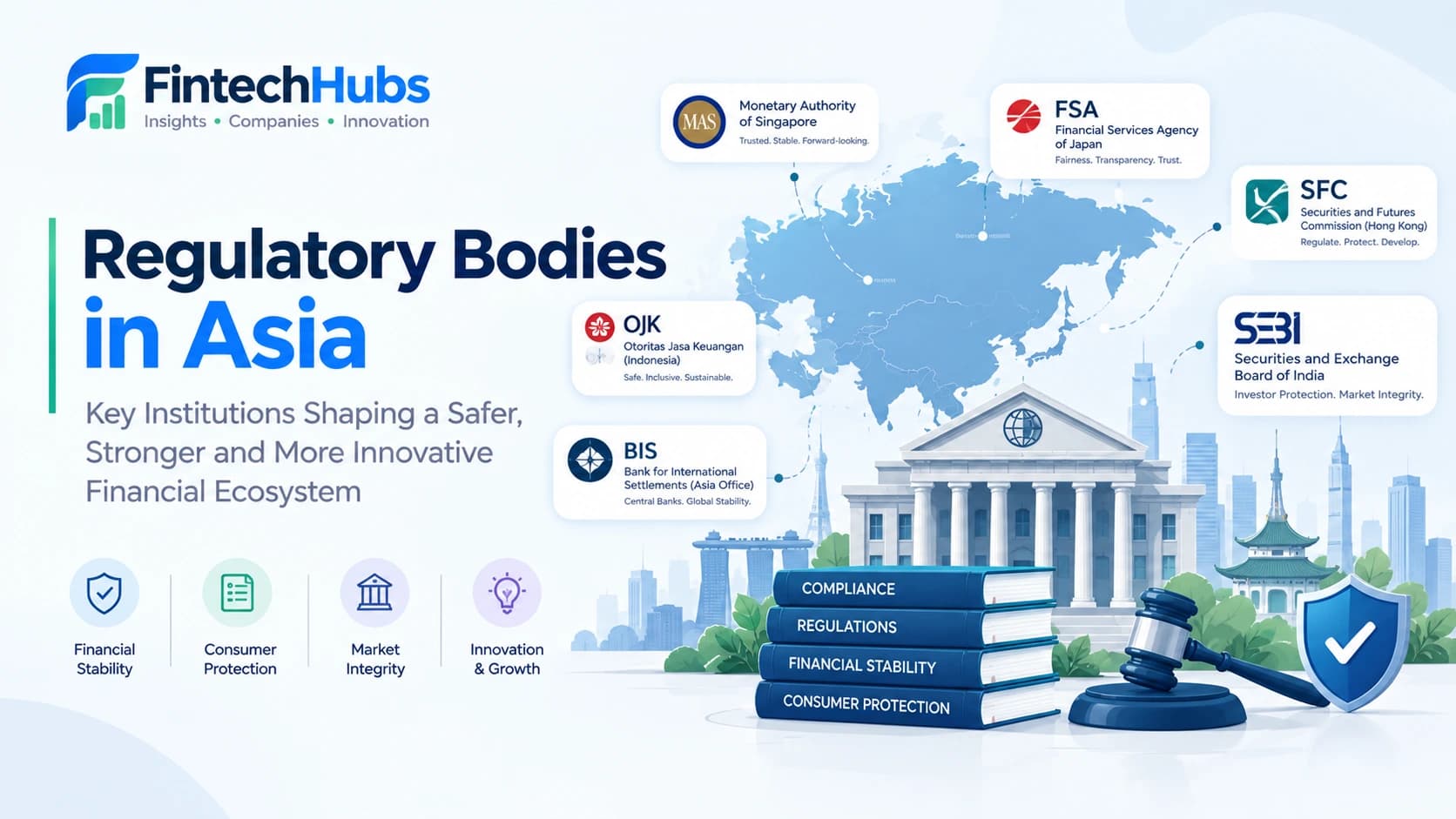
Regulatory Bodies in Asia: Financial & FinTech Guide
A complete guide to Asia's financial and fintech regulators key bodies in Singapore, China, India, Japan and more, regulatory sandboxes, and 10 FAQs.
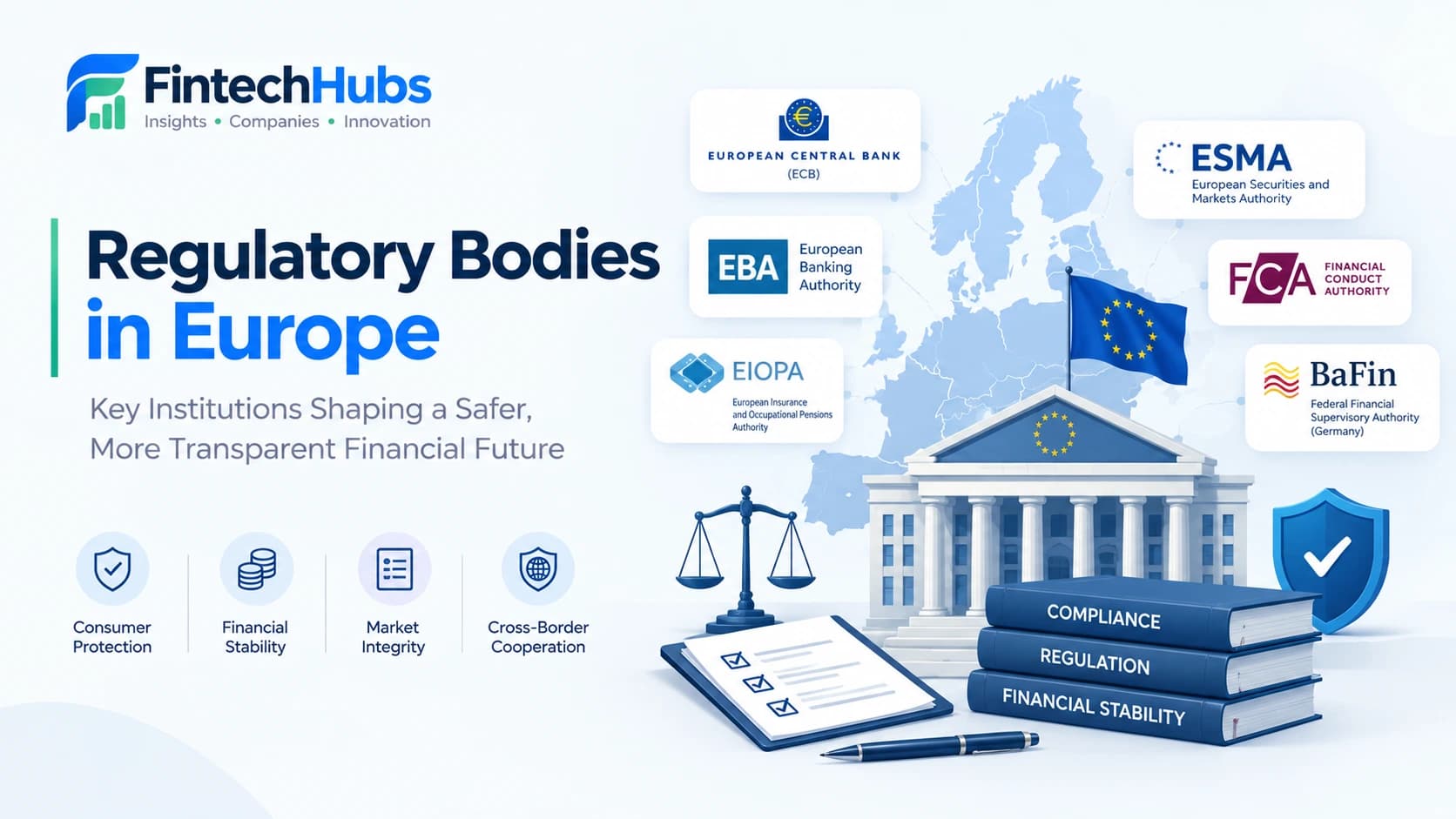
Financial & FinTech Regulatory Bodies in Europe
Explore Europe’s financial and FinTech regulators, key EU bodies, national authorities, and major frameworks like MiCA and DORA in this complete guide.