
Soft vs Hard Declines: Advanced Payment Recovery Guide
Soft vs hard declines explained: Visa and Mastercard retry rules, smart retries, network tokens, 3-D Secure, dunning, recovery metrics, and 10 FAQs.
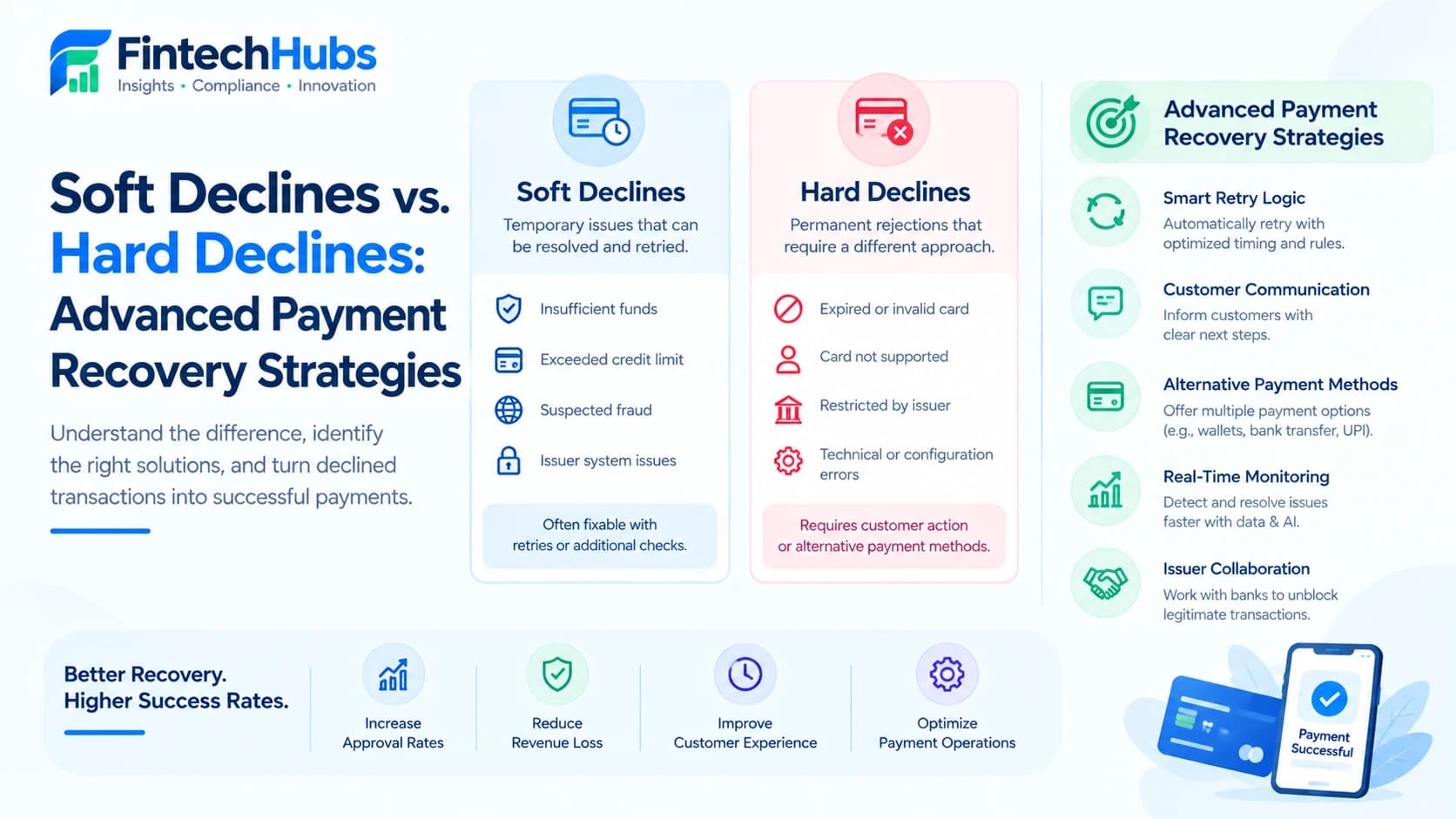
Soft Declines vs. Hard Declines: Advanced Payment Recovery Strategies
An in-depth article for payments, subscription, e-commerce, and revenue operations leaders
Based on publicly available information as of October 2026. Original work, free to share, adapt, and republish without restriction. Card network rules and fees change; always confirm current requirements with your acquirer or payment service provider.
Executive Summary
Every payments business loses revenue to declined transactions. Some declines are legitimate: a stolen card, a closed account, a suspected fraudster. Many are not. A customer with sufficient funds can be declined because of an issuer’s temporary risk rule, a missing authentication step, an expired card on file, a network glitch, or poor-quality transaction data. The art of payment recovery is telling the difference.
The most useful distinction is between soft declines (temporary or fixable, where a later or modified attempt may succeed) and hard declines (permanent, where retrying is pointless, and under card network rules can be costly). Treating them identically, by retrying everything or abandoning everything, wastes money in both directions.
This article explains how declines work, how Visa and Mastercard classify them, what the retry rules and fees look like, and which recovery strategies produce results: intelligent retry timing, card account updater services, network tokens, authentication handling, routing and cascading, data-quality improvements, customer-facing dunning, and decisioning engines. It also covers architecture, compliance, fraud trade-offs, metrics, a roadmap, pitfalls, and 10 FAQs. The central principle: read the decline signal, then match the response to the cause, not to a fixed retry schedule.
Why Declines Matter
1.1 The business impact
A decline has costs beyond the lost sale:
Direct revenue loss: On one-time purchases when the customer abandons.
Involuntary churn: In subscriptions, where customers who intended to stay are lost because a renewal failed.
Support and operational cost: From tickets, manual follow-up, and reconciliation.
Customer experience damage: Especially when good customers are told their card “was declined” with no guidance.
Fee exposure: From excessive or prohibited retries.
1.2 Authorization is a probabilistic process
Approval is the result of decisions by multiple parties: the merchant, the payment service provider (PSP), the acquirer, the card network, and the issuer. Each can introduce a decline. Issuers weigh fraud risk, available funds, account status, velocity, location, merchant category, and authentication results. The same card, amount, and merchant may be approved at one moment and declined at another, which is why a single “decline” label is never the full story.
1.3 False declines
A false decline occurs when a legitimate transaction is rejected. Overly cautious fraud tools (merchant-side or issuer-side) are a common cause. Reducing false declines without increasing fraud is a core goal of payment optimization.
Anatomy of a Decline
2.1 Where a decline can originate
Source | Examples |
|---|---|
Merchant or PSP risk rules | Fraud-scoring block, velocity limit, blocklist, AVS or CVV rule |
Acquirer or gateway | Invalid merchant configuration, unsupported currency, routing error |
Card network | Rule violations, authentication requirements |
Issuer | Insufficient funds, risk decline, card blocked, authentication required, limit exceeded |
Technical | Timeouts, issuer or network unavailable, malformed message |
2.2 The response code
Authorization responses carry code (such as those in the ISO 8583 family, with network-specific extensions) and, in some cases, additional advice. The raw code is rarely meaningful to customers, and many codes are generic. The value lies in mapping codes into actionable categories.
Soft Declines vs. Hard Declines
3.1 Definitions
Soft decline: The issuer or system cannot approve right now or with this data, but the underlying account is valid. A later retry, corrected data, additional authentication, or a different route may succeed.
Hard decline: The issuer will not approve under any circumstances for this credential. Examples include a lost or stolen card, a closed account, or an invalid card number. Retrying will not help.
3.2 Common examples
Decline reason | Typical type | What it usually means | Recommended response |
|---|---|---|---|
Insufficient funds | Soft | Balance or credit not available now | Retry later; time attempts around likely funding events; invite customer to update payment |
Do not honor / generic | Soft (ambiguous) | Issuer declined without specific reason | Limited retry with improved data; consider alternate route or authentication |
Authentication required | Soft | Issuer wants strong customer authentication | Retry with 3-D Secure or other step-up |
Issuer or system unavailable | Soft | Temporary technical issue | Retry after a short delay, possibly via alternate route |
Incorrect CVV or address | Soft (data quality) | Submitted data does not match | Ask customer to re-enter; do not blind-retry |
Expired card | Soft (fixable) | Card details outdated | Use account updater or ask for new card |
Exceeds limit or frequency | Soft | Velocity or limit reached | Wait and retry; suggest smaller amount or other method |
Lost or stolen card | Hard | Card reported compromised | Stop; request a new payment method |
Closed account / invalid number | Hard | Credential no longer valid | Stop; request new payment method |
Pick up card / fraud | Hard | Issuer flagged serious risk | Stop; do not retry; consider fraud review |
Transaction not permitted | Hard or soft | Card or account cannot do this transaction type | Review; usually need a different method |
Classification depends on network and issuer behavior. The table is illustrative, not a mapping of specific codes.
3.3 The gray zone
The single most common code, a generic “do not honor,” can mean anything from a temporary risk rule to a card that should never be retried. This ambiguity is why smart systems use multiple signals (code, network advice, issuer history, transaction context, and customer behavior) rather than relying on the code alone.
Card Network Rules and Advice Codes
4.1 Visa decline categories
Visa groups decline response codes into four categories, with retry guidance built in:
Category | Meaning | Merchant action |
|---|---|---|
1 | Issuer will never approve | Do not reattempt; fees apply to any reattempt |
2 | Issuer cannot approve at this time | Reattempt permitted within limits |
3 | Data quality: revalidate payment information | Correct or revalidate data before reattempting |
4 | Generic response codes | Reattempt permitted within limits |
Visa limits reattempts on Categories 2 to 4 within a rolling 30-day window and charges fees on excessive reattempts, as well as on any reattempt after a Category 1 decline. The limit was originally 15 reattempts in 30 days; public sources report an increase to 20 effective May 2025. Because limits and fees are revised periodically and can vary by region, confirm current values with your acquirer.
4.2 Mastercard Merchant Advice Codes (MAC)
Mastercard communicates guidance through Merchant Advice Codes. Examples of the types of advice include:
Updated or additional information needed (new account details available, or data must be corrected).
Try again later, including specific waiting intervals ranging from about an hour to several days.
Do not try again (account closed or fraudulent).
Stop recurring payment requests (the cardholder has cancelled the agreement).
Mastercard assesses fees when merchants keep retrying after “do not try again” or “stop recurring” advice, with thresholds that differ from Visa’s.
4.3 Practical implications
Consume the advice: Store and act on the network category or MAC; do not discard it in your PSP integration.
Never auto-retry hard declines: Exclude them from automated retry queues.
Cap and track retries per credential: across all your systems, not per system, so separate retry engines do not combine to breach limits.
Watch the rolling window: because spreading retries over time does not remove them from the count.
Retries can look like abuse: Rapid, repeated attempts can resemble card testing and trigger issuer or network scrutiny.
Why Soft Declines Happen
Root cause | Description | Recovery lever |
|---|---|---|
Temporary funds or limit issues | Balance or credit insufficient at that moment | Retry timing, notification, alternative payment method |
Outdated credentials | Expired card, reissued card, new number | Account updater, network tokens, customer update flow |
Missing authentication | Issuer requires step-up (for example under strong customer authentication rules in some regions) | 3-D Secure, exemption strategy, customer prompts |
Poor data quality | Missing or inconsistent fields, wrong indicators on stored-credential transactions | Better request data, correct transaction flags |
Issuer risk models | Unusual pattern, new device, cross-border | Network tokens, richer data, authentication, issuer outreach |
Technical failures | Timeouts, connectivity, issuer downtime | Fast retry via alternate route |
Merchant-side over-blocking | Fraud rules reject good customers | Rule tuning, A/B testing, manual review |
Wrong route or acquirer | Currency, local acceptance, or acquirer-issuer relationship issues | Smart routing, local acquiring |
Advanced Recovery Strategies
6.1 Build a decline classification layer
Create a normalized internal taxonomy that maps every network, PSP, and acquirer response into a small set of actionable classes, for example: retry later, retry with authentication, fix data, update credential, use another method, do not retry, and investigate fraud. All downstream logic keys off these classes. Maintain the mapping as codes and rules evolve.
6.2 Intelligent retry timing
Blind schedules (for example, retry every 24 hours three times) are better than nothing but leave recoverable revenue on the table. Smarter approaches use:
Reason-specific delays: Technical errors justify minutes; funds-related declines justify days; limit issues may justify waiting for a window reset.
Calendar awareness: Many customers have funds after typical payday cycles or on specific days of the week; timing retries to those patterns can raise success.
Time-of-day and issuer patterns.: Some issuers approve more at particular times; data from your own history can reveal this.
Attempt budgets.: Set a maximum per credential per window, below network limits, with exponential or tailored back off.
Network advice first: If the network states a waiting interval, follow it.
Adaptive learning: Use outcomes to continuously update retry policy by segment (issuer, card type, region, amount, customer tenure).
Illustrative retry policy:
Decline class | Illustrative action | Illustrative timing |
|---|---|---|
Technical or issuer unavailable | Immediate retry, possibly via an alternate route | Within minutes, one or two attempts |
Insufficient funds | Scheduled retries around likely funding dates; notify customer | Spread over several days, within retry budget |
Limit or frequency exceeded | Wait for the limit window; offer another method | Next day or later |
Authentication required | Retry with step-up authentication while customer is present | Immediately, in session |
Generic or do not honor | One improved-data retry, then escalate to customer outreach | After a short delay |
Hard decline | No retry; request new payment method | Not applicable |
Values are illustrative; test and tune with your own data and respect network limits.
6.3 Card account updater and network tokens
Account updater services (offered by the card networks through acquirers and PSPs) automatically refresh stored card details when a card is reissued, expires, or changes number. This eliminates many “expired card” and “invalid card” failures before they occur.
Network tokens replace the card number with a token that the network keeps linked to the underlying account. When the physical card is reissued, the token can continue to work, and issuers often treat token-based transactions as lower risk. Benefits typically include fewer declines from stale credentials, improved authorization rates, and reduced exposure of raw card data.
Best practice is to combine both: tokens as the default credential, and updater services as a fallback.
6.4 Handling authentication-related declines
Where strong customer authentication regimes apply (for example in Europe under PSD2), issuers may return a decline indicating that authentication is required. The correct response is not a blind retry but a retry with 3-D Secure, ideally while the customer is still in session. For merchant-initiated recurring payments, ensure the initial transaction was authenticated and that subsequent payments carry the right indicators referencing it. Evaluate exemptions (low value, trusted beneficiary, transaction risk analysis) carefully and expect that issuers may still challenge.
6.5 Smart routing and cascading
Using more than one acquirer or PSP can lift approvals:
Local acquiring often increases approval rates for domestic issuers and reduces cross-border interchange and fees.
Cascading (failover) re-submits a soft-declined transaction through an alternate acquirer or route when the failure may be route-specific (technical error, issuer preference, or acquirer rules).
Dynamic routing chooses the route based on BIN, currency, amount, past performance, and cost.
Cascade only on decline classes where a different route could plausibly help, and ensure that cascading does not multiply authorization attempts in violation of retry rules. Count every attempt, regardless of route.
6.6 Improve the quality of authorization requests
Issuers approve more confidently when requests are complete and consistent. Key practices:
Send accurate AVS, CVV, and billing data where appropriate.
Use correct transaction indicators for stored credentials, recurring payments, merchant-initiated transactions, and installments.
Reference the original authorization or network transaction ID for subsequent merchant-initiated payments.
Provide device, IP, and customer-history data to issuers through authentication data fields where supported.
Use consistent merchant descriptors and merchant category codes.
Send correct amounts, currency, and 3-D Secure results.
6.7 Tune merchant-side fraud rules
Review declines your own risk engine creates. Compare blocked-transaction outcomes with later chargebacks, run controlled experiments on rule thresholds, add allow-lists for established customers, and use manual review for borderline cases. Any increase in approvals must be monitored against fraud and dispute rates.
6.8 Customer-facing recovery (dunning)
Technology cannot fix every decline; sometimes the customer must act. Effective dunning includes:
Pre-dunning: notify customers before cards expire or before large renewals.
Clear, specific messages: Explain what happened in plain language without exposing sensitive issuer details, and tell the customer exactly what to do.
Frictionless update paths: secure links, one-tap wallet re-authorization, or in-app prompts that avoid login mazes.
Multi-channel outreach: Email, SMS, push, and in-app banners, with sensible frequency and tone.
Grace periods and graduated access limits: Preserve goodwill and keep service active briefly while recovery is attempted.
Alternative methods: Offer bank transfer, direct debit, digital wallets, or local payment methods.
Human outreach for high-value accounts.
For hard declines, skip retries entirely and go straight to a respectful request for a new payment method.
6.9 Alternative payment methods as recovery
When cards fail repeatedly, offering a bank-based or wallet alternative (such as account-to-account payments, direct debit, or instant payment options where available) can retain customers whose cards are unreliable, and may reduce costs.
6.10 Subscription-specific tactics
Offer plan or billing-date changes to align with customer income cycles.
Allow backup payment methods on file.
Pause rather than cancel for customers in difficulty.
Track involuntary churn separately from voluntary churn.
Segment recovery by customer value and tenure.
6.11 Machine learning in decline recovery
Models can predict which declines are likely to succeed on retry, the best time and route for each attempt, and which customers need outreach. Good practice includes starting with explainable models, running controlled experiments, keeping rule-based guardrails for hard declines and network limits, and monitoring for drift and unintended bias. ML should optimize within the boundaries set by network rules and consumer protection requirements, never around them.
Handling Hard Declines Properly
Stop automated retries immediately: For that credential.
Do not reveal sensitive reasons: Use neutral language such as “your bank was unable to process this payment.”
Request a different payment method: And make it easy.
Flag the credential internally: So other systems (billing, retries, saved cards) do not reuse it.
Consider fraud signals: Repeated hard declines across many cards from one source suggests card testing or account takeover; escalate to risk teams.
Remove invalid stored credentials: To protect data hygiene and avoid future waste.
Reference Architecture
Component | Role |
|---|---|
Payment orchestration layer | Single point to route, retry, and cascade across PSPs and acquirers |
Decline normalization service | Maps network, PSP, and acquirer responses to internal classes |
Retry and recovery engine | Applies policy by class, tracks attempt budgets per credential |
Credential lifecycle manager | Handles tokens, account updater results, and expiry |
Authentication service | Initiates 3-D Secure or other step-up flows |
Dunning and communications service | Sends notifications and manages update links |
Fraud and risk engine | Provides scores and rules; feeds back false-decline analysis |
Data and analytics platform | Stores attempts and outcomes; measures cohort performance |
Governance and controls | Policy versions, rule-compliance checks, audit logs |
Key design principles: one global attempt counter per credential, decisions logged with reasons, configuration-driven policies, and safe defaults that fall back to “do not retry” when the signal is unclear.
Compliance, Risk, and Customer Protection
Network rules. Respect retry limits, advice codes, and stored-credential requirements; track and reconcile network fees.
Consumer protection. Merchant-initiated and recurring payments require proper consent and clear cancellation paths. Do not keep charging customers who have cancelled or revoked consent.
Strong customer authentication. Meet regional requirements and keep evidence of authentication.
Data security. Handle card data under PCI DSS; prefer tokens; avoid storing sensitive authentication data.
Privacy. Customer messaging and behavioral analytics must follow applicable data protection law.
Fair treatment. Ensure recovery messaging is clear and non-coercive, and that vulnerable customers are treated appropriately.
Card-testing risk. Open retry endpoints can be abused; add rate limits and bot protection.
Measuring Success
Core metrics
Authorization rate (overall, and by issuer, region, card type, and channel)
Soft-decline recovery rate (share of soft declines eventually approved)
Recovery by method (retry, updater, authentication, cascade, customer update)
Involuntary churn rate and recovered recurring revenue
Average attempts per recovered payment and time to recovery
Guardrail metrics
Excessive-retry fees and network compliance incidents
Fraud rate, chargeback rate, and dispute ratio
Customer complaints and support contacts about payment failures
Opt-out and unsubscribe rates from dunning
Good measurement practice: use holdout groups and controlled experiments, compare like with like across seasons, and track net revenue after fees and fraud, not authorization rate alone.
Implementation Roadmap
Phase 1: Diagnose (weeks 1-4)
Pull all decline data for the past 6 to 12 months; categorize by reason, issuer, region, and channel.
Audit current retry behavior across all systems, including any duplicate retry logic.
Estimate recoverable revenue and compliance exposure.
Phase 2: Foundations (weeks 4-10)
Build the decline normalization map and a central attempt counter.
Stop retries on hard declines everywhere.
Enable account updater and network tokens where available.
Phase 3: Optimize (months 3-6)
Introduce reason-specific retry schedules and authentication retry flows.
Improve request data and stored-credential indicators.
Launch structured dunning with pre-dunning and easy update paths.
Phase 4: Advance (months 6-12)
Add smart routing and cascading with attempt controls.
Pilot machine-learning retry optimization with holdout testing.
Tune fraud rules using false-decline analysis.
Phase 5: Sustain
Review network rule changes quarterly; update policies.
Run continuous experiments and share results across payments, product, risk, and support.
Timelines vary by organization and are illustrative.
Common Pitfalls
Retrying everything the same way: One schedule for all codes wastes attempts and invites fees.
Ignoring network advice: Discarding Visa categories or Mastercard advice codes loses free guidance.
Multiple uncoordinated retry systems: PSP retries, billing-tool retries, and custom scripts together can breach limits.
Retrying hard declines: This produces fees and no revenue.
Blind retries on data-quality declines: Fix the data first.
Neglecting authentication. Soft declines that require step-up will never succeed without it.
Cascading without counting: Every route attempt counts toward the credential’s history.
Optimizing only for authorization rate: Approvals that become fraud or chargebacks are not wins.
Vague customer messages: “Payment failed” with no next step drives churn.
No experimentation: Retry and dunning policies need continuous testing against holdouts.
Frequently Asked Questions (FAQs)
1. What is the difference between a soft decline and a hard decline?
A soft decline is temporary or fixable: the account is valid, but the issuer cannot approve now or with the data provided, so a later or corrected attempt may succeed. A hard decline is permanent for that credential, such as a closed account, invalid number, or lost or stolen card, and should never be retried.
2. Why do cards with sufficient funds get declined?
Common causes include issuer risk rules, missing authentication, outdated credentials, mismatched data, velocity or limit controls, technical errors, and merchant-side fraud rules. The decline code and network advice help narrow down which.
3. How many times can I retry a declined card payment?
It depends on the decline type and network. Visa prohibits reattempts after Category 1 declines and caps reattempts on Categories 2 to 4 within a rolling 30-day window, with fees for excess. Mastercard uses advice codes that tell you when to try again or stop. Many practitioners set their own, lower budgets. Confirm current limits with your acquirer.
4. What happens if I keep retrying a hard decline?
You will not recover the payment, you may be charged excessive-retry fees by the card networks, and you may appear suspicious to issuers. Exclude hard declines from automated retries.
5. What is a Merchant Advice Code?
It is a Mastercard data element that tells merchants why a transaction was declined and what to do next, for example: new information is needed, try again later, do not try again, or stop recurring payments. Visa provides similar guidance through its decline response categories.
6. How do account updater services and network tokens help?
Account updater services refresh stored card details automatically when cards are reissued or expire. Network tokens link a token to the underlying account so that credentials can survive reissuance, and issuers often view tokenized transactions favorably. Together they reduce declines caused by stale card data.
7. When should I retry with 3-D Secure?
When the issuer’s decline indicates that authentication is required, typically under strong customer authentication rules. Retry with a step-up challenge while the customer is present. For recurring payments, make sure the initial transaction was authenticated and later payments reference it correctly.
8. Is cascading across multiple acquirers a good idea?
It can raise approval rates when the failure is route-specific, and local acquiring can help with domestic issuers. However, every attempt counts toward retry limits, so cascade only on suitable decline classes and keep a unified attempt counter.
9. How should we communicate declines to customers?
Use clear, neutral, actionable language: say the payment could not be completed, avoid revealing sensitive issuer or fraud details, and provide a simple way to update or choose another payment method. For subscriptions, notify early, offer grace periods, and use multiple channels at sensible frequency.
10. How do we measure whether our recovery strategy is working?
Track authorization rate, soft-decline recovery rate, involuntary churn, and recovered revenue, alongside guardrails such as network fees, fraud and chargeback rates, and complaints. Use holdout groups and controlled experiments, and evaluate net revenue rather than approval rate alone.
Key Takeaways
Soft declines are often recoverable; hard declines are not. The first job is accurate classification.
Use network signals (Visa decline categories and Mastercard advice codes) as the foundation of retry logic.
Match the response to the cause: timing for funds, updaters and tokens for stale credentials, authentication for step-up requests, data fixes for quality issues, routing for technical or route-specific failures, and customer outreach when action is needed.
Keep one global attempt budget per credential, and never auto-retry hard declines.
Measure net outcomes, including fees, fraud, and customer experience, and keep experimenting.
Disclaimer
This article is provided for general informational and educational purposes only and does not constitute legal, financial, or compliance advice. Card network rules, fees, and thresholds change and vary by region; examples and timings are illustrative. Confirm current requirements with your acquirer, PSP, and the relevant card networks.
Share this article
Related Articles
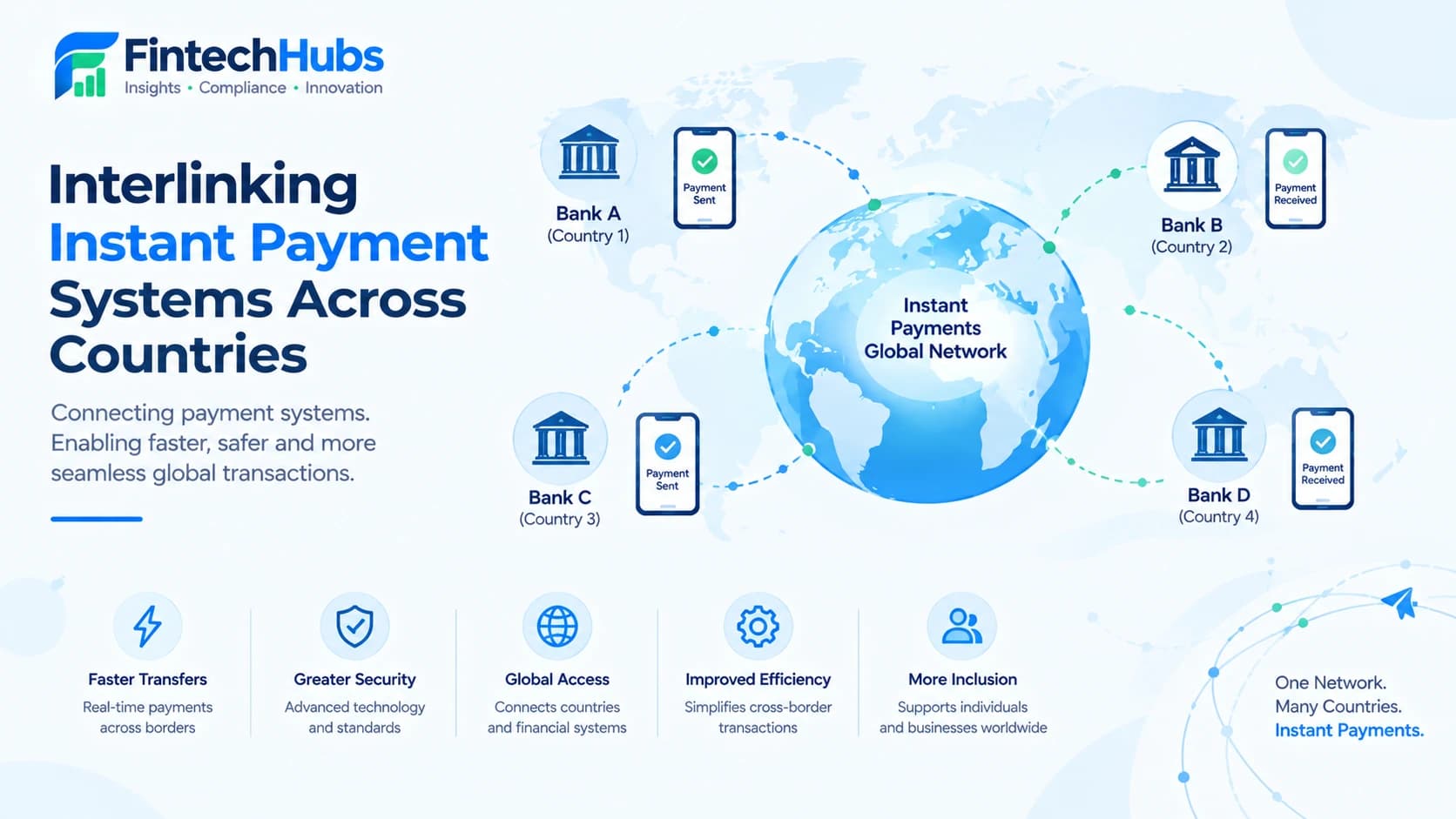
Interlinking Instant Payment Systems Across Countries
How countries link instant payment systems: bilateral links, Nexus, UPI-PayNow, risks, compliance, operations, a rollout roadmap, and 10 FAQs.
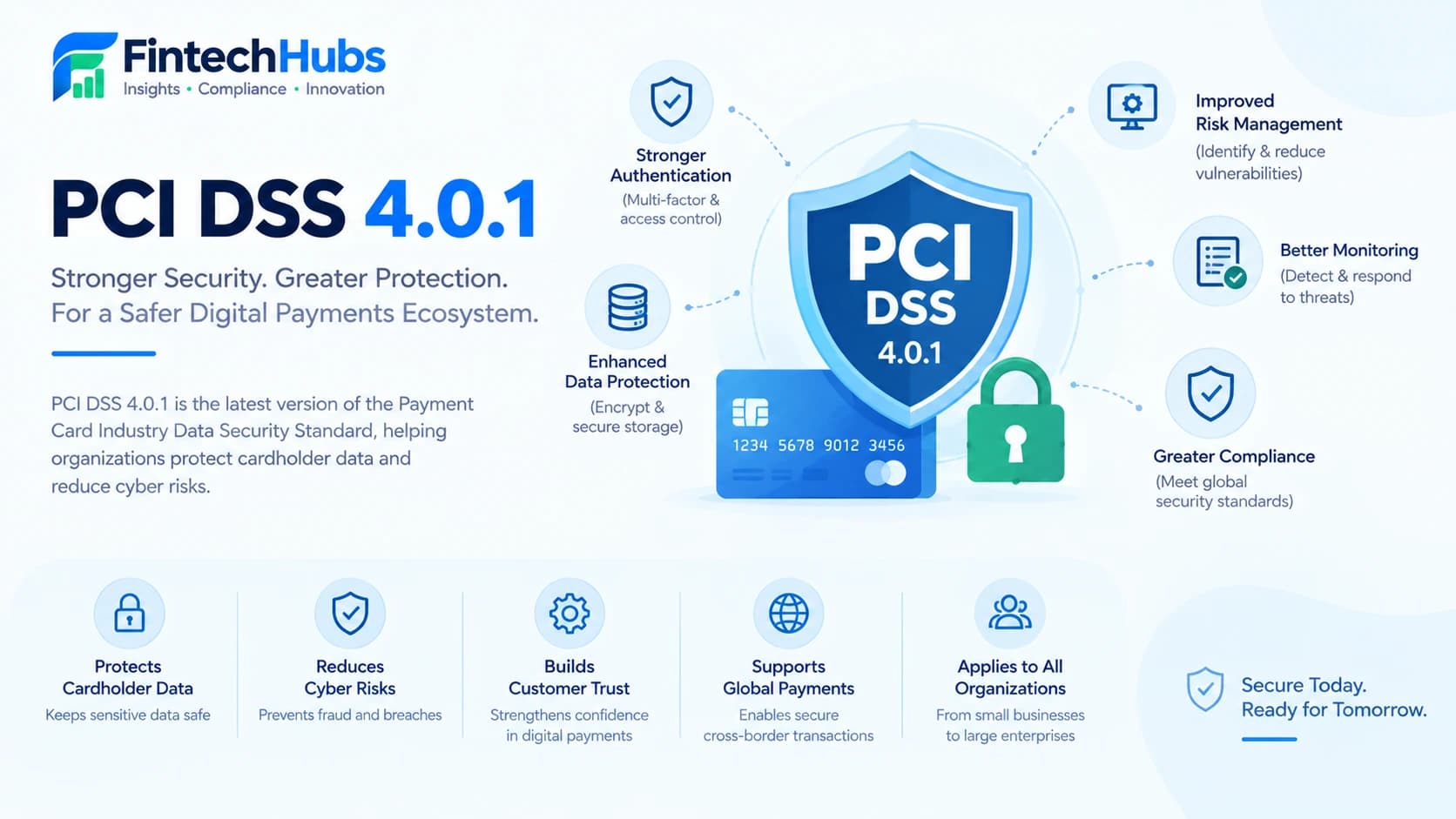
PCI DSS 4.0.1: Technical Requirements for Modern Payments
PCI DSS 4.0.1 explained: 12 requirements, MFA, payment page scripts, cloud and API compliance, scope reduction, a rollout roadmap, and 10 FAQs.
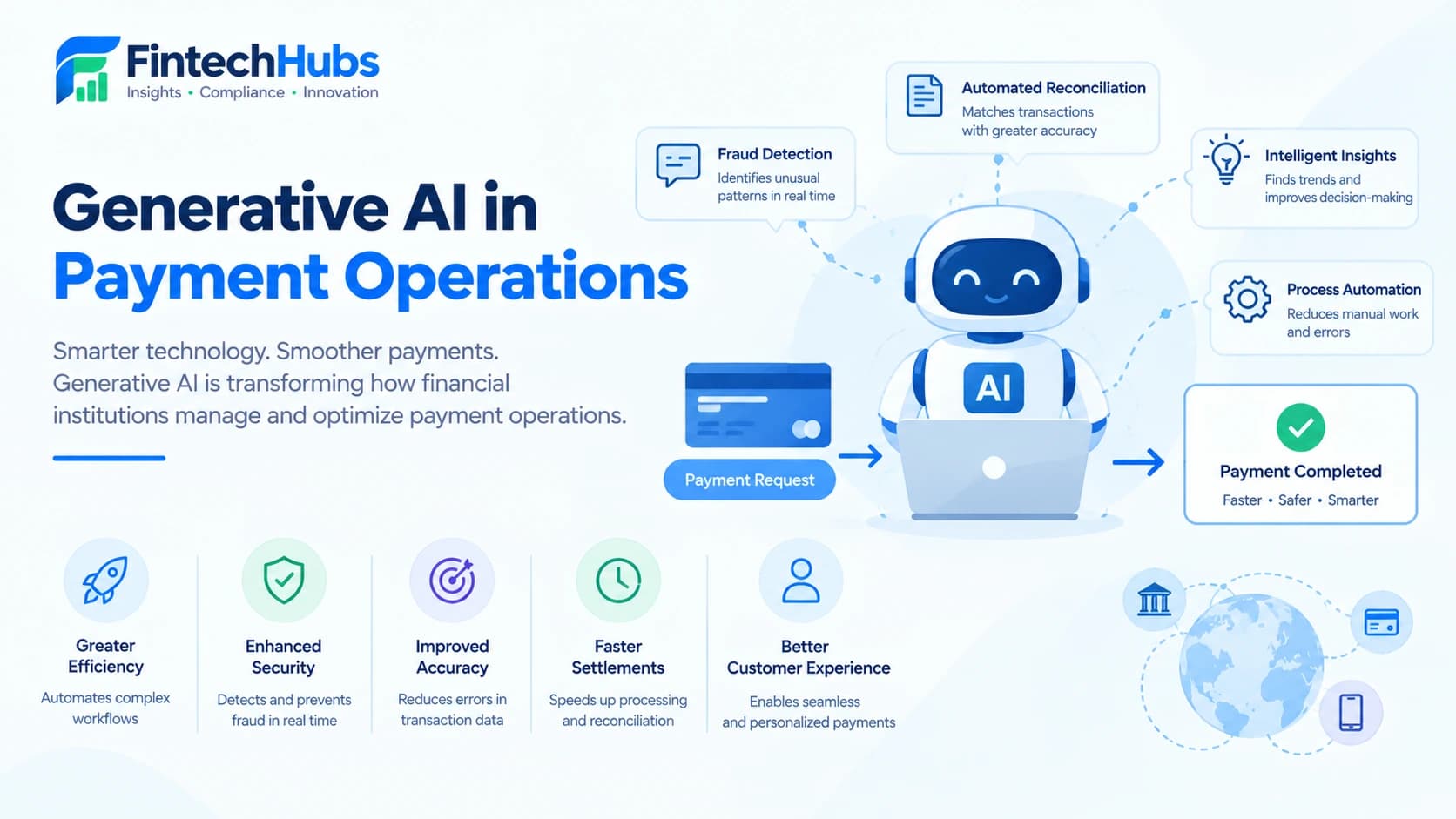
Generative AI in Payments: Reconciliation, Disputes & Support
How generative AI improves payment reconciliation, disputes, and customer support, plus architecture, risks, governance, roadmap, and 10 FAQs.