
Cloud-Native Payment Processing: Scalability, Resilience & Security
What cloud-native payment processing is, how it scales, stays available, and protects card data, plus PCI DSS, DORA, and a step-by-step migration roadmap.
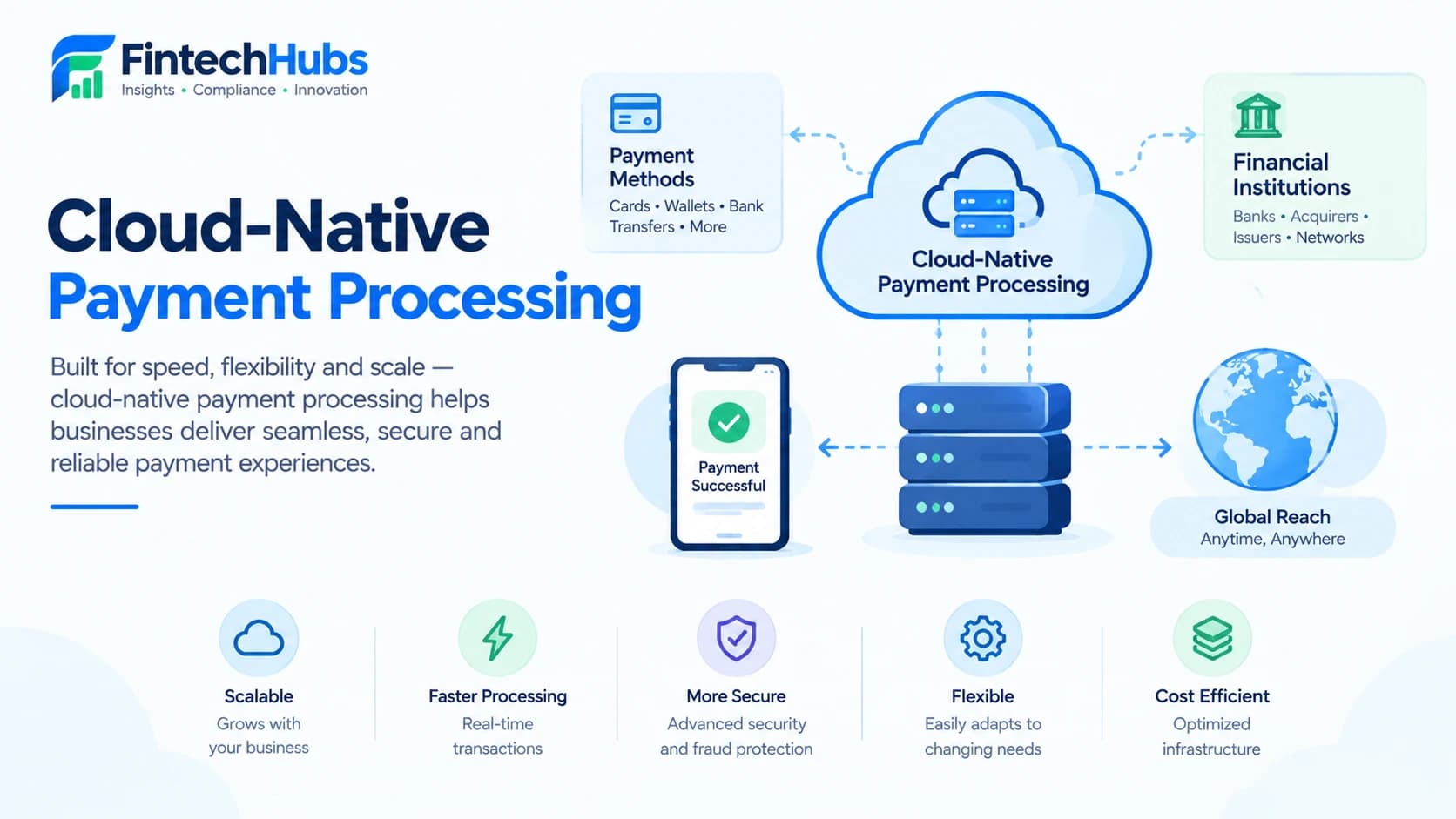
Cloud-Native Payment Processing: Scalability, Resilience, and Security
Payments must work all the time. A checkout that fails on a busy shopping day, a transfer that is delayed during a market event, or a processor outage that stops card acceptance can cost revenue, damage trust, and attract regulatory attention. At the same time, payment volumes are growing, new payment methods are multiplying, and instant payments run around the clock.
Many payment platforms were built on monolithic software running in dedicated data centers, designed for predictable volumes and scheduled maintenance windows. Cloud-native payment processing takes a different approach: it designs payment systems from the ground up to run on cloud infrastructure, using elastic scaling, distributed services, automation, and built-in security.
This guide explains what cloud-native payment processing is, how it supports scalability, resilience, and security, what challenges it brings, and how organizations can adopt it responsibly.
What Is Cloud-Native Payment Processing
Cloud-native payment processing refers to payment systems that are designed, built, and operated to take full advantage of cloud computing models. Rather than simply moving existing software to cloud servers, cloud-native systems are typically:
Composed of small, independent services (microservices) that can be developed, deployed, and scaled separately
Packaged in containers and managed by orchestration platforms
Defined and deployed through code (infrastructure as code) and automated pipelines
Elastic, scaling capacity up and down with demand
Distributed across zones or regions for availability
API-driven, exposing and consuming services through well-defined interfaces
Observable, with built-in logging, metrics, and tracing
The goal is a payment platform that can change quickly, absorb spikes, tolerate failures, and enforce strong security consistently.
Cloud-Native vs. Legacy and "Lift-and-Shift" Architectures
Dimension | Legacy On-Premises | Lift-and-Shift to Cloud | Cloud-Native |
|---|---|---|---|
Architecture | Monolithic or tightly coupled | Same monolith on virtual machines | Microservices and event-driven components |
Scaling | Buy capacity for peak; scale slowly | Larger servers, limited elasticity | Horizontal, automated elasticity |
Release cycle | Infrequent, large releases | Similar to legacy | Frequent, small, automated releases |
Resilience | Often active-passive with manual failover | Depends on design | Designed for failure across zones and regions |
Infrastructure | Fixed hardware | Virtualized servers | Containers, managed services, serverless where suitable |
Cost model | Heavy capital spending | Mixed | Usage-based, with cost governance needed |
Change risk | High, large blast radius | High | Lower per change with strong automation and isolation |
Security model | Perimeter-focused | Perimeter plus cloud controls | Defense in depth, zero trust, automated policy |
Lift-and-shift can be a useful first step, but it usually captures only a fraction of cloud benefits.
Core Architectural Principles
Design for failure: Assume components, zones, and networks will fail, and make the system continue to operate.
Loose coupling: Services communicate through APIs or messages so one failure does not cascade.
Statelessness where possible: Services that do not hold session state are easier to scale and replace.
Idempotenc:. Repeating a request, such as a payment retry, must not create duplicate charges.
Event-driven design. Use messaging and streams to decouple processing steps and absorb bursts.
Automation everywhere: Build, test, deploy, scale, and recover through code.
Least privilege and zero trust: Every service and user receives only the access they need and is verified continuously.
Observability by default: Systems should explain their own behavior through telemetry.
Security and compliance as code: Controls are defined, tested, and enforced automatically.
Evolutionary design: Small, reversible changes reduce risk.
Key Building Blocks
5.1 Microservices
Separate services for authorization, routing, risk scoring, tokenization, settlement, reconciliation, ledger, notifications, and reporting.
5.2 Containers and Orchestration
Containers package services consistently, while orchestration platforms handle scheduling, scaling, and self-healing.
5.3 API Gateway and Service Mesh
Manage external and internal traffic, authentication, rate limiting, encryption, and observability between services.
5.4 Messaging and Event Streaming
Queues and streams decouple services, buffer spikes, and support replay and audit.
5.5 Databases and Data Stores
A mix of relational databases for transactional integrity, distributed stores for scale, caches for speed, and analytical stores for reporting.
5.6 Ledger and Accounting Services
Immutable, auditable records of money movement, designed for consistency and traceability.
5.7 Hardware Security Modules and Key Management
Protect cryptographic keys used for encryption, PIN handling, tokenization, and signing, using cloud-based or dedicated HSM services.
5.8 Infrastructure as Code and CI/CD
Automated build, test, and deployment pipelines with policy checks.
5.9 Observability Stack
Centralized logs, metrics, distributed tracing, and alerting.
5.10 Edge and Content Delivery Services
Reduce latency and absorb malicious or excessive traffic at the edge.
How a Cloud-Native Payment Flows
Request arrives: A payment request enters through an API gateway or terminal connection, protected by authentication and rate limiting.
Validation and enrichment: A service validates the request, checks idempotency keys, and adds data.
Tokenization and data protection: Sensitive data is encrypted or replaced with tokens as early as possible.
Risk and fraud evaluation: Risk services score the transaction using rules and models, often in milliseconds.
Routing decision: A routing service selects the acquirer, network, or payment rail based on rules, cost, and availability.
Authorization: The request is sent to the external network or issuer, and the response is received.
Ledger update: The result is recorded in an auditable ledger with consistent state.
Event publication. Events notify downstream services such as notifications, analytics, and reconciliation.
Response returned: The merchant or customer receives the outcome, typically within seconds.
Clearing and settlement: Asynchronous services handle batch files, settlement instructions, and reconciliation.
Monitoring and learning: Telemetry and outcomes feed dashboards, alerts, and model improvement.
Scalability: Handling Volume and Peaks
Payment traffic is spiky: promotions, holidays, salary days, and market events can multiply volumes in minutes. Cloud-native approaches include:
Horizontal scaling: Add more instances of a service rather than a bigger server.
Autoscaling: Capacity adjusts automatically based on load, queue depth, or latency.
Partitioning and sharding: Split data and workload by merchant, region, or account to avoid bottlenecks.
Asynchronous processing: Move non-critical work, such as notifications and analytics, off the critical authorization path.
Caching: Reduce repeated lookups for configuration, tokens, and reference data.
Back-pressure and rate limiting: Protect services from overload by slowing or shedding excess traffic gracefully.
Load testing and capacity planning: Test with realistic peak scenarios and plan for growth.
Multi-region capacity: Distribute traffic to match geography and demand.
Elastic cost alignment: Pay for capacity as used, with governance to avoid runaway spending.
Scaling is only as strong as its weakest dependency, including external networks, banks, and databases, so those limits must be understood and tested.
Resilience: Staying Up When Things Fail
Resilience means the platform continues operating, or recovers quickly, when components or environments fail.
Multi-zone and multi-region deployment: Spread services so the loss of one location does not stop payments.
Active-active or active-passive designs: Choose based on consistency needs, recovery objectives, and complexity.
Health checks and self-healing: Automatically restart or replace failed instances.
Circuit breakers, timeouts, and retries with backoff: Prevent failures from cascading to other services.
Graceful degradation: Maintain core functions, such as authorization, when secondary services fail.
Bulkheads: Isolate workloads so a problem in one merchant or service does not affect others.
Idempotent operations and exactly-once behavior: Ensure retries and replays do not duplicate transactions.
Stand-in and fallback routing: Route to alternative acquirers or rails when a primary path fails.
Data replication and backups: Maintain replicas and tested restore procedures.
Recovery objectives: Define and test recovery time and recovery point objectives for each service.
Chaos engineering and failure drills: Deliberately test failure scenarios to find weaknesses.
Incident response and post-incident review: Learn from failures and improve.
Security: Protecting Payment Data and Systems
Cloud-native design can strengthen security, but it changes where responsibilities sit.
9.1 Shared Responsibility
Cloud providers secure the underlying infrastructure, while the payment organization remains responsible for configuration, identities, applications, data, and compliance.
9.2 Data Protection
Encryption in transit and at rest for all sensitive data
Tokenization to minimize the storage and movement of card data
Key management and HSMs with strict separation of duties and rotation
Data minimization and retention limits
Segmentation of cardholder data environments
9.3 Identity and Access
Least privilege for people and services
Strong authentication and multi-factor authentication
Short-lived credentials and secrets management
Role-based and attribute-based access control
Privileged access controls and session monitoring
9.4 Network and Application Security
Zero-trust networking and service-to-service authentication (such as mutual TLS)
Web application and API protection, including rate limiting and bot defense
Protection against distributed denial-of-service attacks
Secure software development practices, with code scanning and dependency checks
Container and image security, including vulnerability scanning and signed images
Secure configuration management to prevent misconfiguration, a leading cause of cloud incidents
9.5 Detection and Response
Centralized logging and security monitoring
Anomaly detection and threat intelligence
Fraud and abuse monitoring
Incident response playbooks and drills
Immutable audit trails
9.6 Supply Chain and Third-Party Risk
Vendor due diligence and continuous monitoring
Software bills of materials and dependency governance
Controls on third-party integrations and APIs
Compliance and Regulatory Considerations
PCI DSS for organizations that store, process, or transmit cardholder data; cloud use does not remove these obligations, and scope should be minimized through tokenization and segmentation.
Data protection and privacy laws governing personal data, including data location, transfer, and rights of individuals.
Operational resilience and outsourcing rules from financial regulators, including expectations for managing cloud providers as critical third parties and concentration risk.
Payment services and licensing regimes depending on the activities and markets.
Anti-money laundering and sanctions obligations, supported by monitoring and screening services.
Strong customer authentication requirements in certain regions.
Audit and evidence requirements, including logs, change records, and control testing.
Exit and portability planning, as some supervisors expect plans for moving away from a provider.
Data residency and sovereignty requirements, which can shape regional architecture.
Requirements differ by jurisdiction and institution type. Consult legal and compliance professionals.
Data Management and Consistency
Payments require accuracy. Cloud-native systems must balance scale with consistency.
Strong consistency for ledgers and balances, where correctness is critical
Eventual consistency for analytics and non-critical views, where small delays are acceptable
Transactional outbox and event sourcing patterns to keep data and events aligned
Saga patterns to coordinate multi-step processes with compensating actions
Idempotency keys to prevent duplicates
Reconciliation processes to detect and correct mismatches
Data lineage and auditability for investigations and regulators
Data lifecycle management, including archiving and deletion
Observability and Operations
Logs, metrics, and traces correlated by transaction identifiers
Business metrics, such as approval rates, decline reasons, latency, and settlement success
Service level indicators and objectives to define and measure reliability
Alerting tuned to user impact rather than noise
Dashboards for operations, risk, and business teams
Runbooks and automation for common incidents
Release strategies, such as canary and blue-green deployments, to reduce risk
Site reliability engineering practices, including error budgets and blameless reviews
Change management and approvals appropriate to regulated environments
Performance and Latency
Authorization paths often have strict time budgets. Approaches to protect performance include:
Keeping the critical path short and moving non-essential work to asynchronous processes
Locating services near users, networks, and partners
Efficient serialization and network protocols
Caching and in-memory data for hot paths
Connection pooling and persistent connections to networks and issuers
Continuous performance testing and latency budgets per service
Monitoring tail latency, not just averages
Cost Management (FinOps)
Cloud-native does not automatically mean cheaper. Effective cost management includes:
Tagging and cost allocation by service, merchant, or product
Rightsizing and autoscaling policies
Reserved or committed capacity for predictable base load
Storage lifecycle policies and data tiering
Efficient architecture choices, avoiding over-engineering
Monitoring data transfer and cross-region costs
Cost-aware engineering culture, with dashboards and accountability
Evaluating unit economics, such as cost per transaction
Benefits
Elastic scalability for peak volumes and growth
Higher availability through distributed design and automated recovery
Faster innovation, with frequent, low-risk releases
Improved security posture through automation, consistent policy, and modern tooling
Global reach through regional deployment and edge services
Flexibility to add payment methods and partners via APIs
Operational efficiency from automation and managed services
Better visibility through integrated observability
Cost alignment with usage, when managed well
Support for real-time and instant payments that require continuous availability
Outcomes depend on design quality, governance, and operational maturity.
Challenges and Risks
Complexity: Distributed systems introduce new failure modes, such as network partitions and cascading failures.
Skills gaps: Teams need expertise in cloud, security, distributed systems, and payments.
Data consistency difficulties: Maintaining correctness across services and regions is hard.
Misconfiguration risk: Cloud settings errors can expose data or services.
Third-party and concentration risk: Dependence on a few cloud providers can create systemic exposure.
Regulatory scrutiny: Supervisors expect strong governance of outsourcing and resilience.
Migration risk: Moving live payment flows is delicate and requires careful sequencing.
Cost overruns: Poor governance can lead to unexpected spending.
Vendor lock-in: Heavy use of proprietary services can make exit difficult.
Latency and dependency limits: External networks and issuers may not scale as quickly as the platform.
Legacy integration: Connecting to older bank and network systems may constrain design.
Migration Roadmap
Phase 1: Assess and define strategy: Evaluate current systems, risks, regulatory obligations, and business goals. Define target architecture and success metrics.
Phase 2: Foundation: Build landing zones with secure networking, identity, logging, key management, and policy as code. Establish governance and cost controls.
Phase 3: Decompose and prioritize: Identify services to extract or rebuild first, favoring those with clear boundaries and high value, such as reporting, tokenization, or routing.
Phase 4: Build and pilot: Develop cloud-native services alongside existing systems, and run pilots with limited traffic or shadow mode.
Phase 5: Gradual migration: Shift traffic incrementally using patterns such as the strangler approach, with rollback plans.
Phase 6: Resilience and security validation: Perform load tests, failover drills, penetration tests, and compliance reviews.
Phase 7: Optimize and scale: Tune performance, cost, and reliability, and expand to additional regions and services.
Phase 8: Continuous improvement: Review incidents, evolve architecture, and keep up with regulatory and technology changes.
Best Practices
Design for failure and test it regularly.
Keep the authorization path simple and fast.
Use idempotency everywhere payments can be retried.
Minimize sensitive data through early tokenization and strong segmentation.
Automate security and compliance checks in pipelines.
Apply least privilege and zero trust consistently.
Plan for multi-region and multi-provider resilience where justified by risk and regulation.
Define and monitor service level objectives tied to business outcomes.
Manage third-party and concentration risk, including exit strategies.
Document architecture, controls, and decisions for audit.
Invest in people, training, and a culture of reliability and security.
Migrate incrementally, with clear rollback paths.
Govern cloud costs from the start.
Run regular incident simulations and learn from every event.
Technology and Vendor Landscape
The ecosystem includes:
Public cloud providers offering compute, containers, databases, messaging, security services, and HSMs
Container orchestration and service mesh technologies
Cloud-native payment platforms and processors offering APIs and managed services
Core banking and payment hub vendors with cloud-native architectures
Security vendors for identity, secrets, threat detection, and fraud
Observability and incident management tools
Infrastructure as code and CI/CD tooling
Specialist providers for tokenization, risk scoring, and reconciliation
Selection criteria include regulatory fit, security certifications, resilience track record, integration capabilities, portability, support, and total cost. This article does not endorse any vendor.
Future Trends
Wider adoption of cloud-native cores by banks and processors
Multi-cloud and hybrid designs to manage resilience and regulatory expectations
Greater regulatory focus on critical third-party providers and operational resilience
AI-driven operations and fraud detection, including smart routing and anomaly detection
Confidential computing to protect data in use
Serverless and event-driven payment components
Real-time and instant payment growth raising expectations for always-on systems
Network tokenization and stronger authentication embedded in platforms
Platform engineering and self-service developer platforms for faster, safer delivery
Sustainability considerations in infrastructure choices
Post-quantum cryptography planning for long-lived data and keys
Frequently Asked Questions
1. What does cloud-native mean in payment processing?
It means payment systems are designed from the start to run on the cloud, using microservices, containers, automation, and elastic scaling, rather than simply moving legacy software to cloud servers.
2. Is cloud-native payment processing secure?
It can be as secure as or more secure than traditional setups when designed and configured well, using encryption, tokenization, least-privilege access, monitoring, and secure development. Security remains a shared responsibility between the provider and the payment organization.
3. How does cloud-native design improve scalability?
Services scale horizontally and automatically with demand, work is distributed and partitioned, and non-critical tasks run asynchronously, so platforms can absorb peak volumes without large idle capacity.
4. How does it improve resilience?
By spreading workloads across zones and regions, using health checks and automatic recovery, isolating failures, and supporting failover and fallback routing.
5. Do I still need to comply with PCI DSS in the cloud?
Yes, if you store, process, or transmit cardholder data. Cloud use does not remove obligations, though tokenization and segmentation can reduce scope.
6. Is cloud-native always cheaper than on-premises?
Not necessarily. It can align costs with usage and reduce hardware spending, but poor governance can raise costs. Cost management practices are essential.
7. What is the difference between lift-and-shift and cloud-native?
Lift-and-shift moves existing applications to the cloud with minimal changes. Cloud-native redesigns systems to use cloud capabilities such as microservices, elasticity, and automation.
8. What is idempotency and why does it matter?
Idempotency ensures that repeating the same request does not create duplicate effects, such as double charges. It is critical for safe retries in distributed payment systems.
9. Can banks and regulated institutions use cloud-native payment systems?
Yes, and many do, but they must meet regulatory expectations on outsourcing, operational resilience, data protection, concentration risk, and exit planning.
10. What are the biggest risks?
Complexity, misconfiguration, skills gaps, data consistency challenges, third-party and concentration risk, migration issues, and cost overruns.
Conclusion
Cloud-native payment processing gives payment organizations a way to meet modern demands: high and unpredictable volumes, always-on availability, rapid product change, and strict security and compliance expectations. Its strengths come from design principles such as loose coupling, automation, idempotency, defense in depth, and observability, not from the cloud alone. The same distributed nature that provides scale and resilience also introduces complexity, so success depends on strong engineering, disciplined governance, careful migration, and ongoing testing. Organizations that invest in these foundations can build payment platforms that grow with demand, recover gracefully from failure, and protect the data and trust at the heart of every transaction.
Disclaimer: This article is provided for general informational and educational purposes only. It does not constitute financial, legal, technical, security, or compliance advice. Regulatory requirements and best practices vary and change; consult qualified professionals and official sources before making decisions.
Share this article
Related Articles
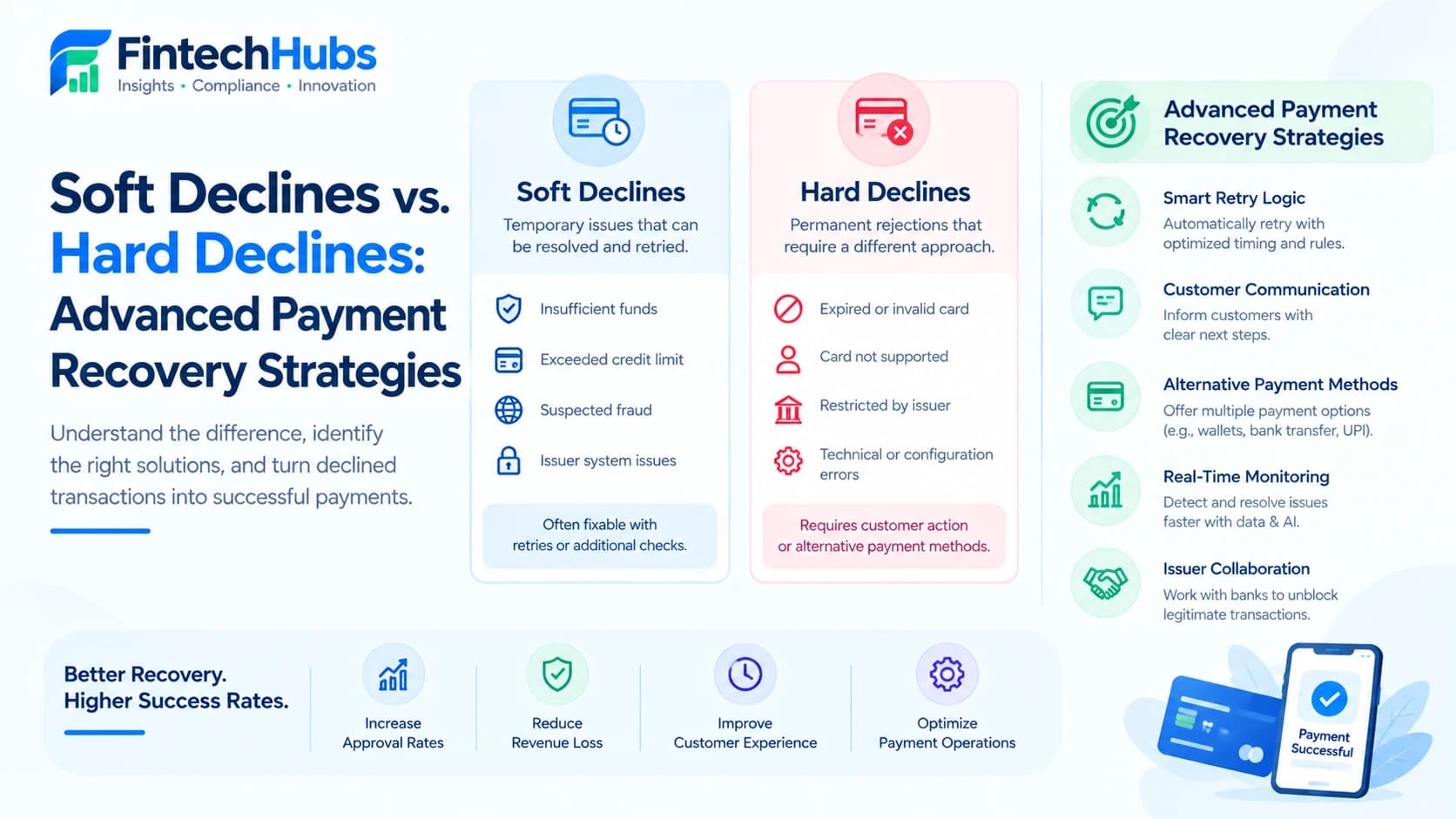
Soft vs Hard Declines: Advanced Payment Recovery Guide
Soft vs hard declines explained: Visa and Mastercard retry rules, smart retries, network tokens, 3-D Secure, dunning, recovery metrics, and 10 FAQs.
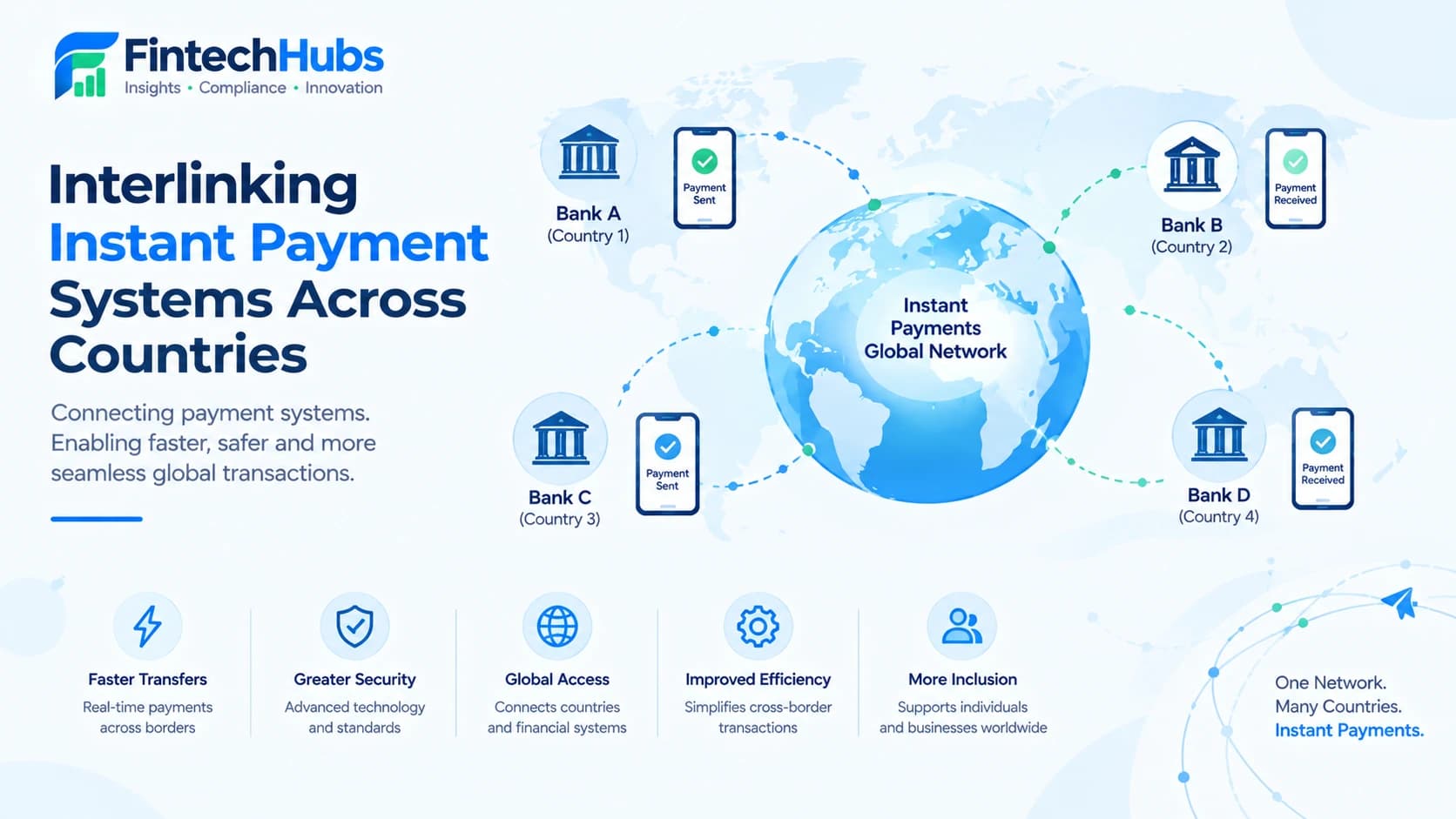
Interlinking Instant Payment Systems Across Countries
How countries link instant payment systems: bilateral links, Nexus, UPI-PayNow, risks, compliance, operations, a rollout roadmap, and 10 FAQs.
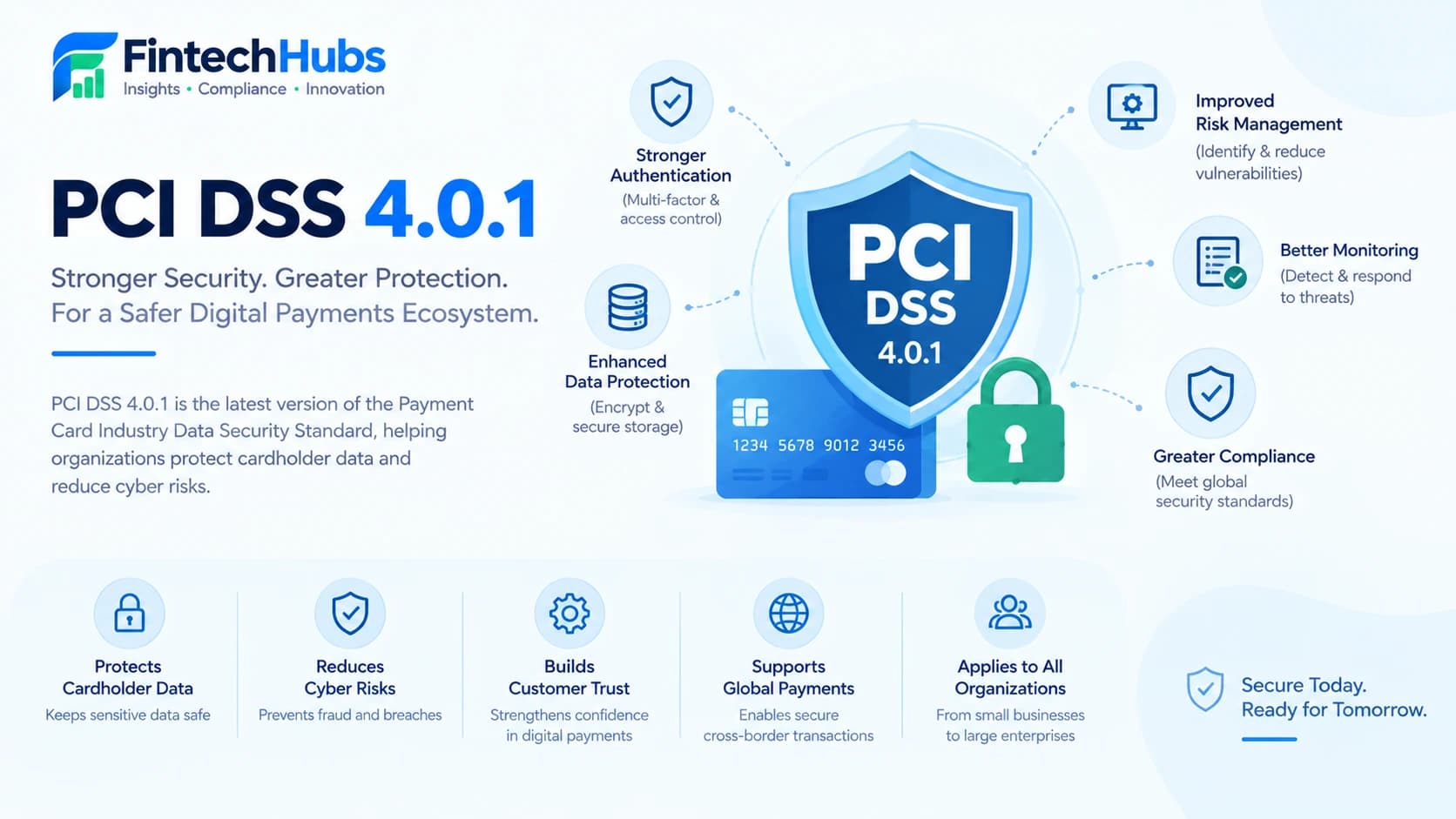
PCI DSS 4.0.1: Technical Requirements for Modern Payments
PCI DSS 4.0.1 explained: 12 requirements, MFA, payment page scripts, cloud and API compliance, scope reduction, a rollout roadmap, and 10 FAQs.